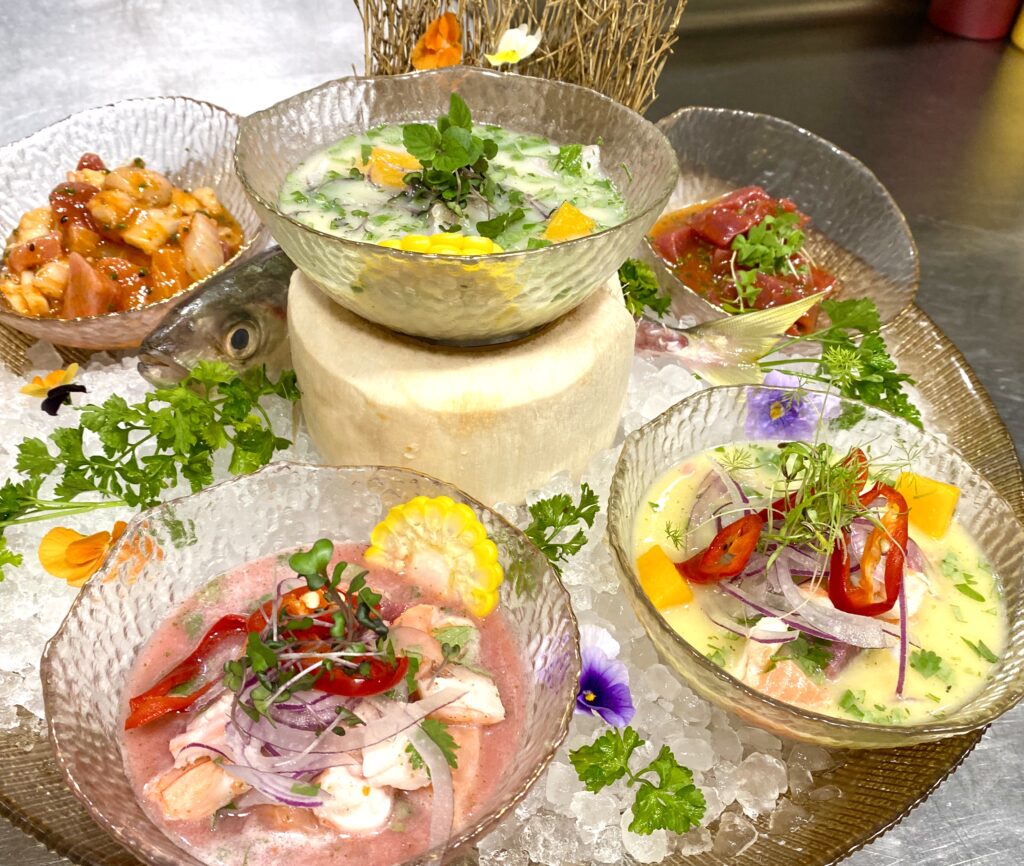
Peru has been named “World’s Leading Culinary Destination” on multiple occasions at the World Travel Awards, regarded internationally as the “Oscars of tourism” — a title the country has renewed almost every year since first winning it in 2012. But that recognition did not appear out of nowhere: it is the result of an uncommon combination of geographical, biological and historical factors that few countries in the world can match. Let’s look at why Peru has become a world culinary destination.
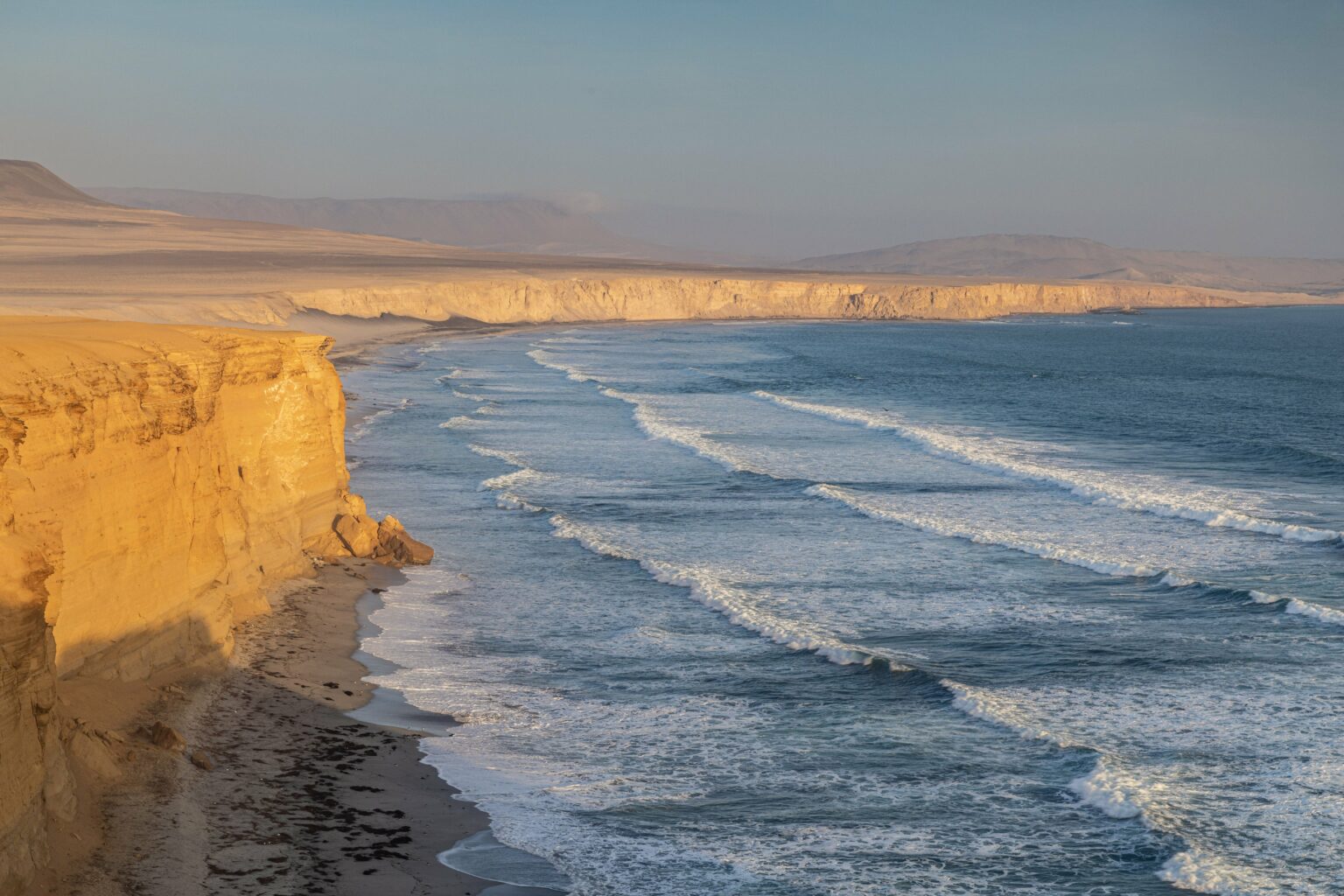
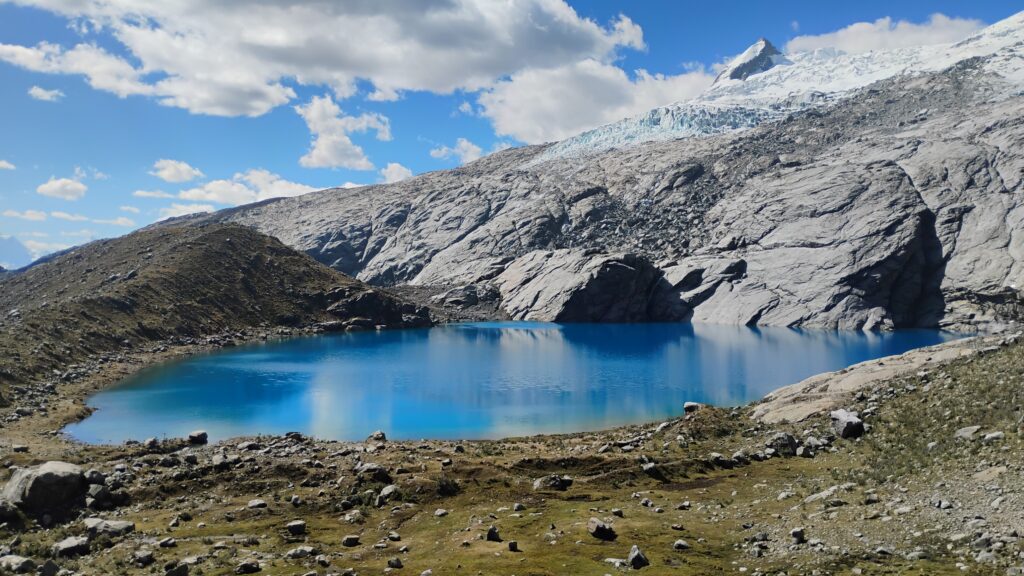
Eight natural regions, one country
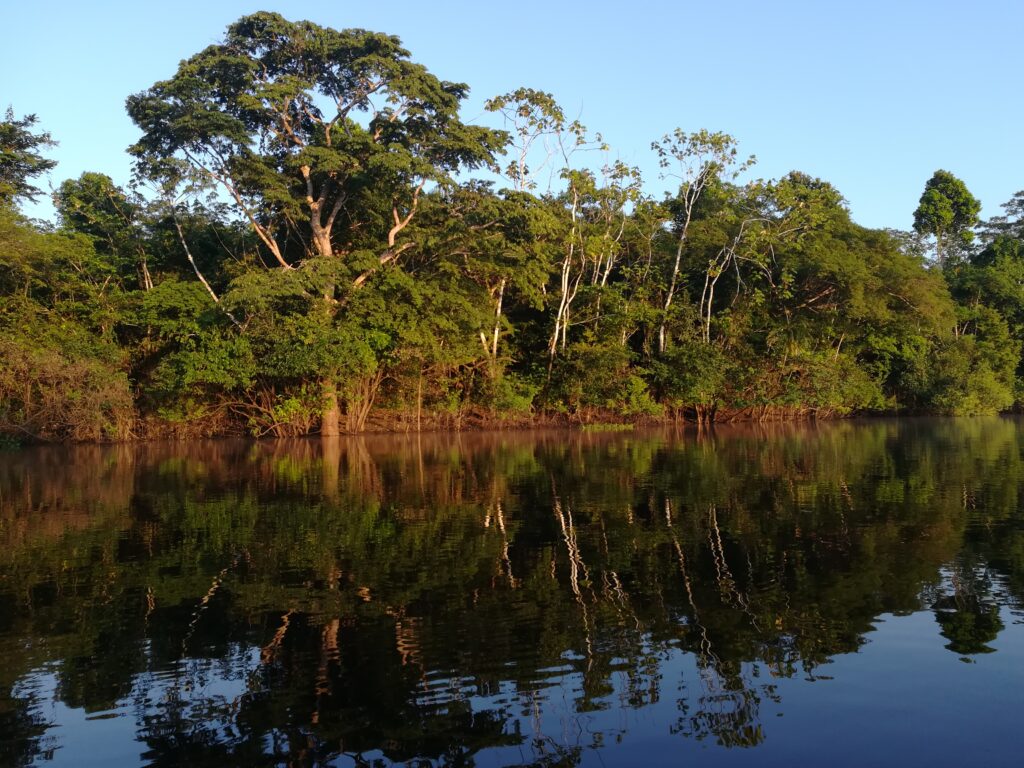
One of the keys behind this culinary diversity lies in Peru’s geography itself. The geographer Javier Pulgar Vidal classified Peruvian territory into eight natural regions according to altitude and climate — from the desert coast to the frozen puna of the Andes, by way of temperate inter-Andean valleys and the lowland Amazon rainforest. This extreme variety of microclimates, concentrated in a relatively compact territory, explains why Peru is home to such broad agricultural biodiversity: thousands of potato varieties, dozens of Andean crops little known outside the country, and an Amazon with fruits and roots that are only beginning to be explored commercially.
A cultural blend served on the plate
Geography alone does not explain everything — Peru’s migration history added another fundamental layer to its cuisine. The arrival of Chinese immigrants in the 19th century gave rise to chifa, the fusion of Cantonese cooking and Peruvian ingredients, found today in practically every city in the country. Japanese migration, for its part, gave rise to Nikkei cuisine, which combines Japanese techniques with Peruvian fish and seafood. Add to this criollo cuisine, the result of centuries of encounter between Indigenous, Spanish and African traditions. Few cuisines in the world can show such a well-documented and diverse fusion within a single country.
From the Andes to the world: the role of a new generation of chefs
From the 2000s onward, a generation of Peruvian chefs — with Gastón Acurio as one of its most visible figures — drove what became known as the Peruvian “gastronomic boom,” taking the country’s cuisine onto international stages and opening Peruvian restaurants in different parts of the world. That movement continued with chefs such as Virgilio Martínez, whose restaurant Central in Lima has built much of its approach on exploring ingredients from the country’s different natural regions, from the extreme heights of the Andes to the depths of the Amazon — the same biodiversity we focus on at Colibrí Origins.
A biodiversity still being discovered
Despite all the international recognition Peruvian gastronomy already enjoys, much of its natural wealth remains commercially unexplored outside the country. Ingredients such as aguaje, cushuro or tarwi — which we have covered in earlier posts on this blog — are well known within Peru but practically unknown in the rest of the world. It is, in a sense, the same story that drove the international recognition of maca and quinoa several decades ago, waiting to repeat itself with the next generation of Peruvian ingredients.
At Colibrí Origins, every ingredient we research is part of this same broader story: that of a country whose geographical and cultural diversity keeps generating discoveries, both for those who visit Peru and for those who, like us, seek to bring that biodiversity to the rest of the world with the same care with which it is grown.