On the flood-prone banks of rivers in the Peruvian Amazon grows a shrub up to 8 meters tall whose fruit, for decades, could only be cultivated in one specific type of terrain: camu camu.
A Fruit From the Flood-Prone Lowlands
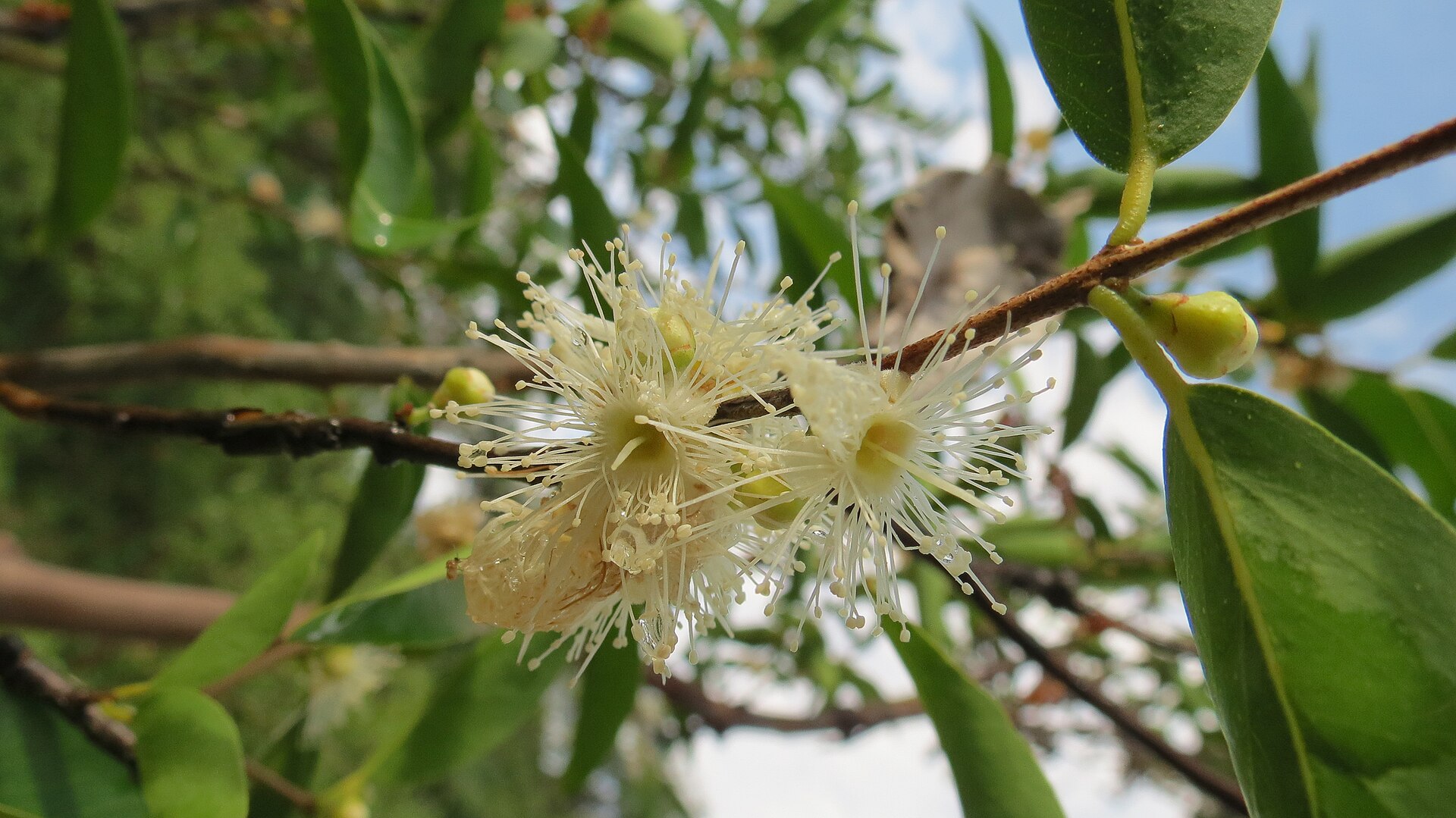
Camu camu (Myrciaria dubia) grows wild in “restingas” — areas of the lowland Amazon that flood seasonally as river levels rise. This dependence on the flood cycle long made cultivating it outside that specific environment seem unfeasible.
A Domestication That Took 15 Years
Over the past 15 years, Peruvian agricultural research — mainly through the Peruvian Amazon Research Institute (IIAP) — has managed not only to domesticate the species, but also to adapt its cultivation to non-flooding areas, with results that have considerably expanded the area suitable for growing it beyond its original natural habitat.
A Fruit With a Distinctive Life Cycle
The camu camu shrub takes between 2.5 and 3 years after transplanting to produce its first flowering — a relatively long maturation period that has been one of the factors considered in efforts to domesticate the crop. It’s also propagated mainly asexually (through cuttings), a method that preserves the specific characteristics of each parent plant in new crops.
Composition
Camu camu is known for an exceptionally high vitamin C concentration for a fruit — various studies report figures of between 2,700 and 2,800 mg of ascorbic acid per 100 grams of pulp, far above most citrus fruits. This composition is one of the main reasons the fruit began attracting commercial interest, first in markets like Japan, over a decade ago.
From Loreto to International Markets
International commercial interest in camu camu first emerged in markets like Japan, more than a decade ago, driven by its particular composition. Since then, the crop has expanded its presence as an export product, although — unlike quinoa or maca — it’s still far from achieving comparable international recognition.
A Fruit That Still Travels Little
Despite its interesting domestication process and particular composition, camu camu remains, to a large extent, unknown outside circles specialized in Amazonian superfoods — a pattern that’s starting to feel familiar after researching ingredients like aguaje or cushuro for this blog.
At Colibrí Origins, camu camu is another reminder that the Peruvian Amazon still holds ingredients the world is only beginning to discover.
This content is for general information only and is not medical advice. If you have questions about eating a food or using a plant, consult a health professional.