Junín lies in central Peru and covers about 44,000 km². Its most striking feature is contrast: in the west, the mountain range and cold high plateaus; in the east, tropical rainforest. In between are temperate valleys that have been farmed for centuries. For anyone who wants to understand Peruvian biodiversity in a single journey, it is one of the most complete regions.
The maca plateau
Near Lake Junín, on the Bombón plateau, at between 3,800 and 4,400 metres above sea level, grows maca, a plant that withstands very hard frosts. Archaeological evidence shows cultivation around the lake for about 3,700 years, and Spanish chronicles were already describing it around 1598. Until the late 1980s, its cultivation was heavily concentrated in this area.
In Andean tradition, fresh maca is cooked in the huatia, an earth oven, and eaten as a delicacy. It is also prepared as mazamorra, a type of porridge, or ground into flour.
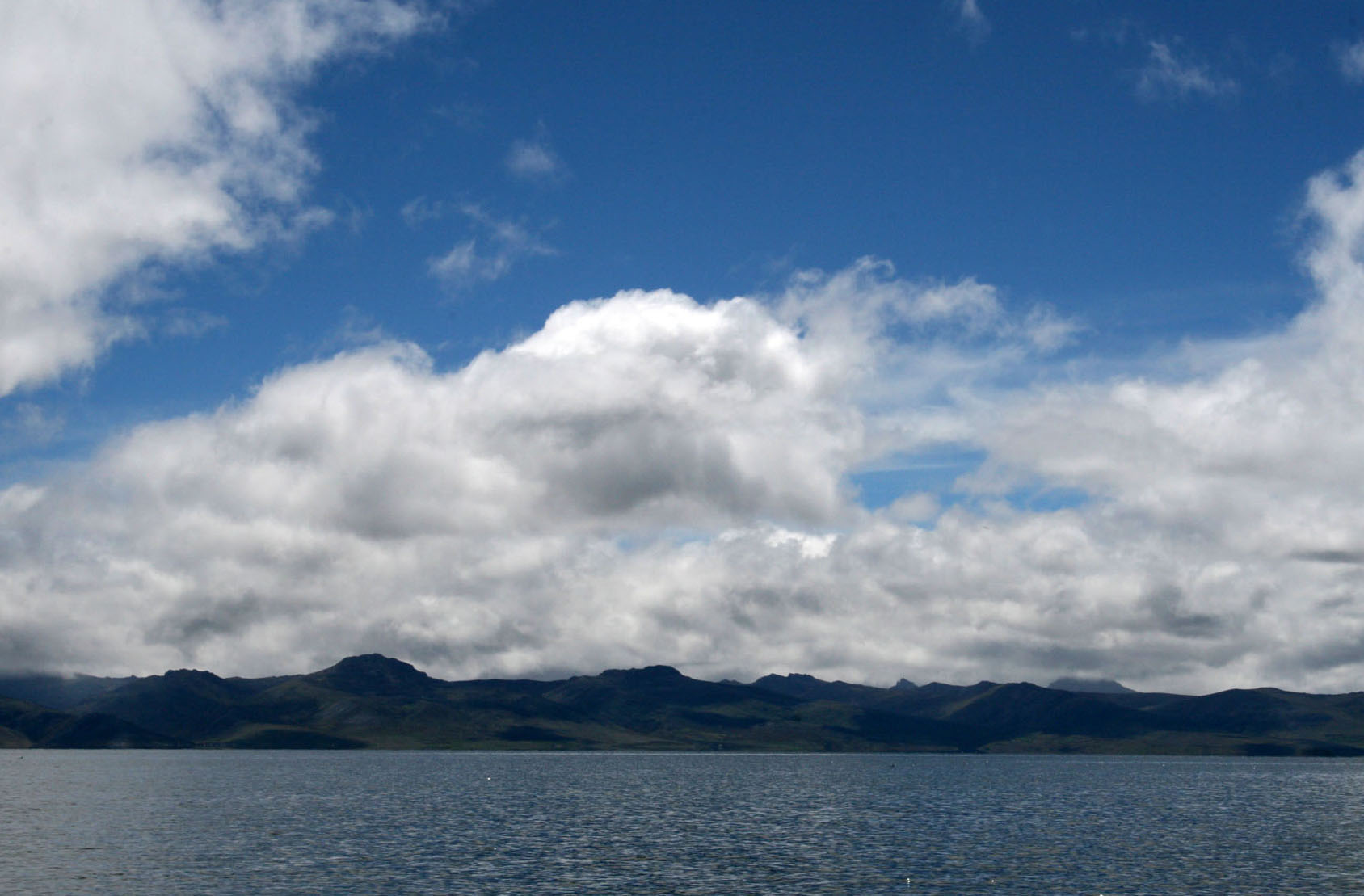
Lake Junín
Lake Junín, also known as Chinchaycocha, lies at about 4,080 metres above sea level and is the largest lake located entirely within Peru, at about 530 km². It is a birdwatching destination, and home to two species found nowhere else in the world: the Junín grebe and the Junín rail, both endangered. Its conservation remains a challenge, and it is a good reminder of why caring about origin matters.
The Mantaro Valley and the city of Huancayo
Further down, the Mantaro Valley is one of the most productive farming areas in the region: potatoes, maize and broad beans. Huancayo, its largest city, is the capital of the department. There and in nearby villages, lively festivals are held, such as the Huaconada of Mito, which UNESCO inscribed as Intangible Cultural Heritage of Humanity in 2010. The Pampas de Junín were the setting, on 6 August 1824, of the Battle of Junín, a key episode in Peru’s independence.
The Chanchamayo rainforest
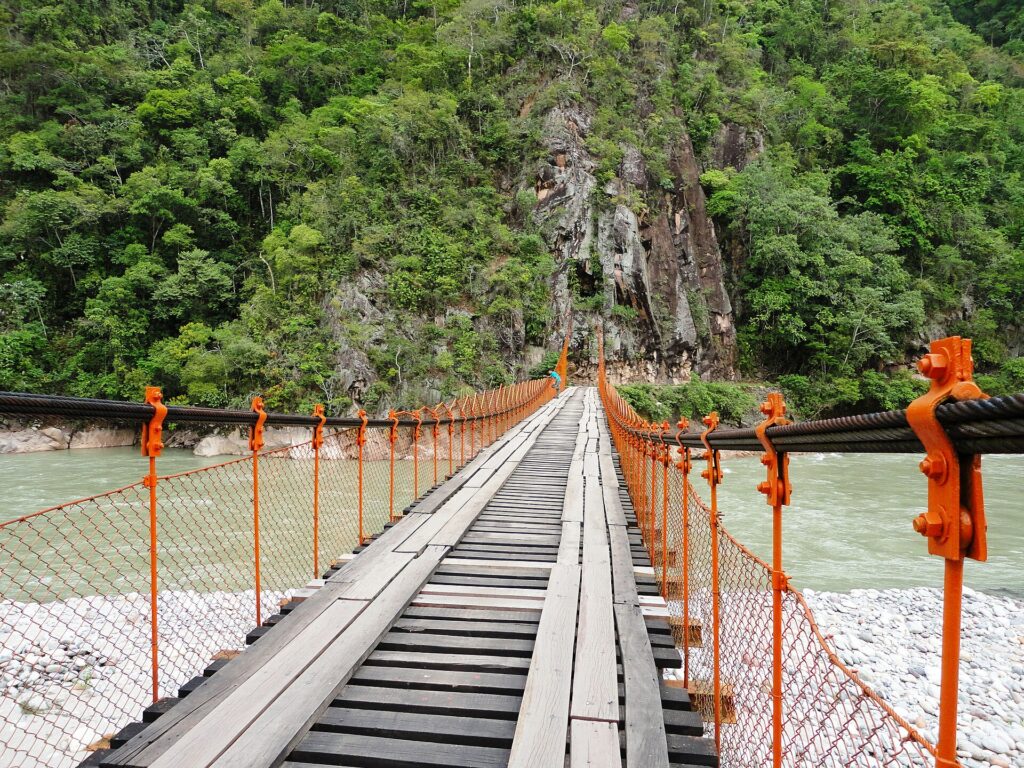
To the east, the landscape changes completely. Chanchamayo province, with La Merced as its capital, is known for its citrus fruit and coffee. The Asháninka and Yanesha peoples are the native peoples of this territory. It is the gateway to Peru’s Selva Central.
Why it matters to us at Colibrí Origins
Junín sums up what moves us: ingredients that come from extreme places, grown over generations, and landscapes worth protecting. When we talk about maca, we are talking about a plateau, a lake and the families who still farm there.