
Behind every variety of potato, corn, or quinoa still grown in the Andes lie generations of careful decisions about which seed to save for the next season. Agricultural research on traditional seed systems in the region documents something rarely told: much of that decision-making traditionally falls to the women of Andean communities. This post is about women and seeds, and the role women play in preserving Andean diversity.
Informal Guardians of Germplasm
In informal potato seed production systems in the Andes — those that don’t depend on official certification programs, but on knowledge passed down within the communities themselves — selecting which tubers to save for the next planting has been documented as work frequently taken on by women, who in some communities come to preserve dozens of different varieties simultaneously.
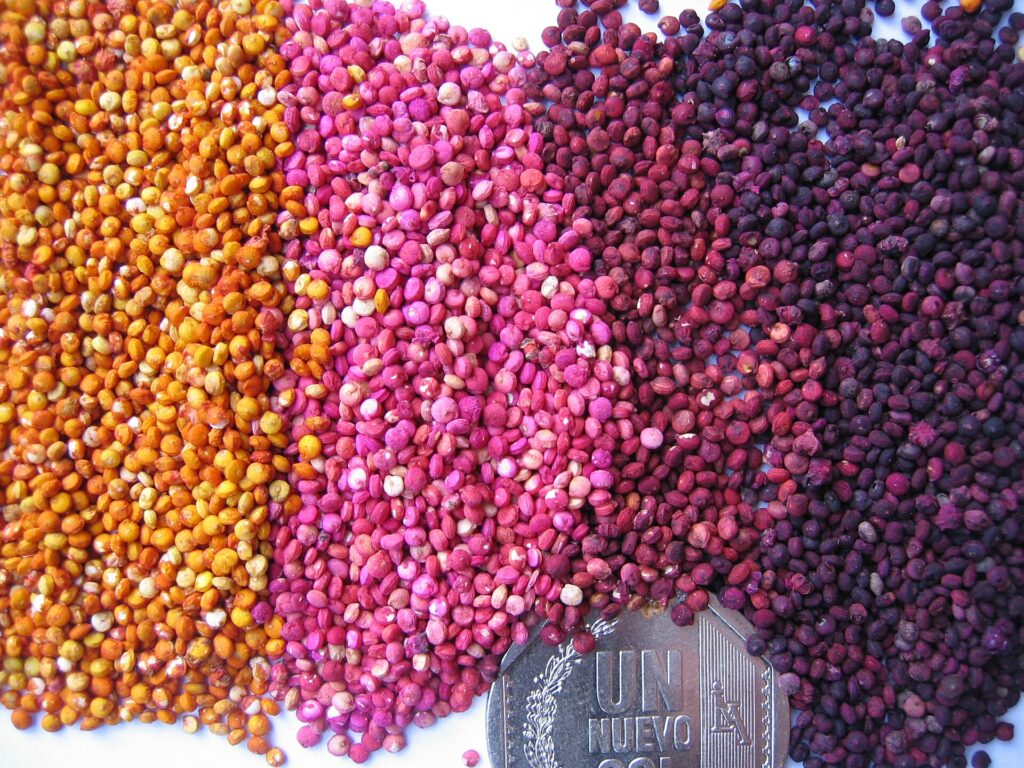
Knowledge Passed Down Through Generations
Seed selection in Andean communities is rarely documented in manuals or written records — it’s traditionally passed down orally and practically between generations of women within the same family or community. This kind of informal knowledge is, precisely, one of the hardest to register and value from the outside, despite its central role in keeping these crops’ genetic diversity alive.
Participation Data in Formal Projects
This same dynamic is reflected in more recent programs: the Andean Seeds Project, which worked in high-Andean areas of Peru, Bolivia, and Ecuador to improve access to quality seed, recorded 32% women’s participation among its direct beneficiaries — a figure that, far from anecdotal, reflects the role they already held in these systems even before formal support programs existed.
Beyond the Seed: Other Agricultural Tasks
Women’s role in traditional Andean agriculture isn’t limited to seed selection — various studies on Andean farming systems also document their active participation in planting, weeding, and harvesting, often alongside other household and community responsibilities, in a farming work model that has historically been shared between men and women, albeit with differentiated roles depending on the task and the region.
Why This Matters for Biodiversity
This ongoing selection work, sustained across generations, is part of what explains why the Andes today preserve such wide genetic diversity in crops like potato or quinoa — it’s not only the result of geography, it’s also the result of repeated human decisions, year after year, by those who have traditionally sustained this work.
At Colibrí Origins, working with Peruvian producer cooperatives means, in practice, also recognizing this kind of work — often less visible, but just as essential for Andean biodiversity to keep reaching us.