Feeding an empire that stretched from sea level to more than 4,000 meters of altitude, across coastal deserts, temperate valleys and frozen high plateaus, was one of the great quiet challenges of the Tahuantinsuyo. The Incas’ answer to that challenge — a system of storage, preservation and redistribution that some historians describe as unprecedented in scale for its time — remains, centuries later, one of the least told stories of Andean food culture. This is the story of Inca food: how the Incas stored, preserved and distributed what they grew.
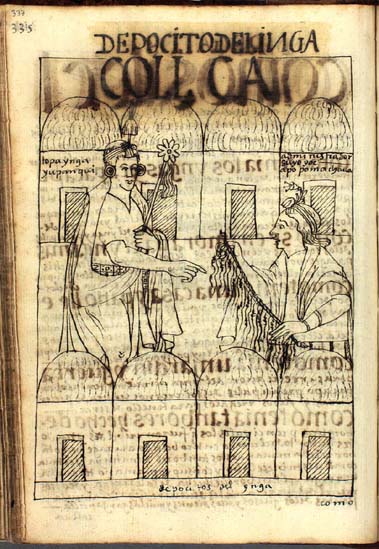
The qullqas: the storehouses that sustained the empire
Spread along the entire Inca road network and close to the main administrative centers, the Incas built thousands of storage buildings known as qullqas (also spelled “colcas”). In the Mantaro Valley alone, archaeologists have identified more than 2,500 qullqas, with a combined storage area of 170,000 square meters — possibly the largest storage complex in all of pre-Columbian America. These depots held food and other goods that were redistributed among the army, officials, workers and, in times of scarcity, the general population.
Chuño: the preservation technique that defies time
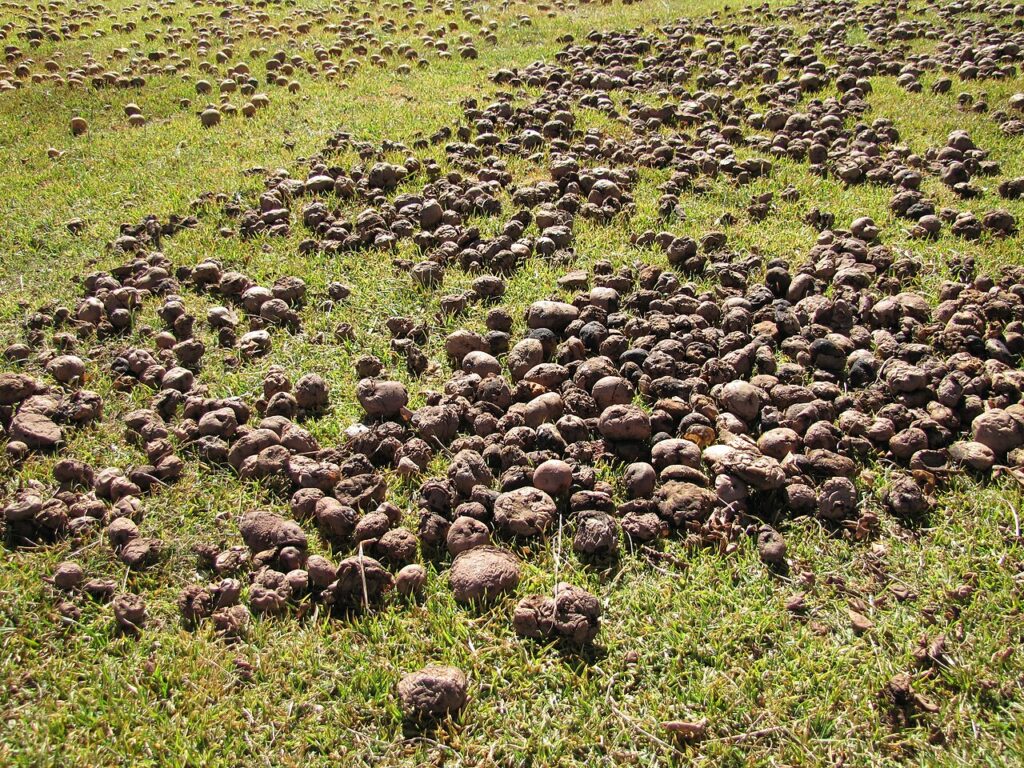
One of the most remarkable innovations of Andean food culture is chuño: potato dehydrated through a process that combines the night-time cold of the highlands with the heat of the sun during the day. After several nights of exposure to sub-zero temperatures, the potatoes are trampled to squeeze out the frozen water and left to dry until they become a product that can keep for years. The chronicler Inca Garcilaso de la Vega documented this technique in his “Royal Commentaries,” describing how the potato, “exposed to the frost and the sun so that it keeps, as we said elsewhere, is called chuñu.”
From charqui to flours: other ways of preserving food
Food preservation was not limited to potatoes. Meat was dried in the sun for several days until hard, producing charqui (boneless) or chalona (bone-in), which had to be soaked before cooking. Cereals and legumes were toasted over the fire to reduce their volume and ground into long-lasting flours. Even chili peppers were air-dried on racks built specifically for that purpose. Every technique served the same goal: that no food would be lost before it could reach those who needed it.
One principle behind it all: reciprocity and redistribution
Behind this logistical system lay a concrete social logic: the Andean principles of reciprocity and redistribution, which organized the production and sharing of food across the whole population. Thanks to this system — which combined state storage with these social practices — historians agree that widespread famine was practically unknown in the territory of the Tahuantinsuyo, something remarkable given how difficult the Andean terrain is for farming.
The same ingredients, centuries later
Among the foods that sustained this diet were many of the ingredients we continue to explore today at Colibrí Origins: potatoes (of which more than 240 varieties were known), quinoa, cañihua, oca, mashua — and also maca, already grown back then in the most extreme heights of the Andes. Corn, for its part, was prepared as small cakes or toasted, and popcorn was considered a special treat reserved for particular occasions.
At Colibrí Origins, every time we research the origin of an Andean ingredient, we come across this same backstory: communities that over centuries developed sophisticated systems of cultivation, preservation and distribution, long before any modern food preservation technology existed. It is a reminder that food innovation in the Andes did not begin with us — we are simply continuing a story that already held centuries of accumulated wisdom.