
Quinoa, kiwicha, cañihua, tarwi — these Andean crops are often grouped under the label of “superfoods,” a term that has become so popular that it is sometimes used without explaining where it comes from. The real reason behind this reputation is no mystery: it has to do with the extreme conditions in which these plants have grown for generations, well above 3,000 meters of altitude. This post explains why high-altitude Andean crops have the composition they do.
A climate that demands adaptation
At those altitudes, the Peruvian Andes combine several factors that are hostile to any plant: temperatures that drop sharply at night, frequent frosts, lower atmospheric pressure and less oxygen in the air, and solar radiation considerably more intense than at sea level. To survive in that environment, the plants grown there have developed, over thousands of years, their own defense mechanisms — and those mechanisms are, to a large extent, responsible for their particular composition.
The compounds plants produce to defend themselves
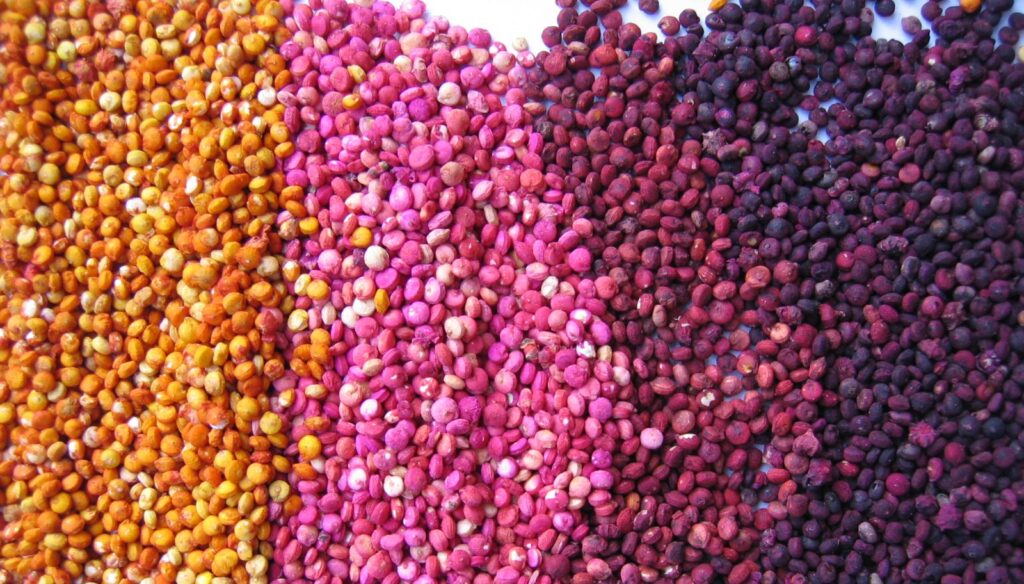
Among the most studied responses of Andean plants to this environmental stress is the production of secondary metabolites — compounds the plant does not need for its basic growth functions, but which it actively produces as a defense mechanism against its environment. Three families of these compounds are especially relevant in Andean crops: anthocyanins, carotenoids and polyphenols.
Pigments that act as a sun shield
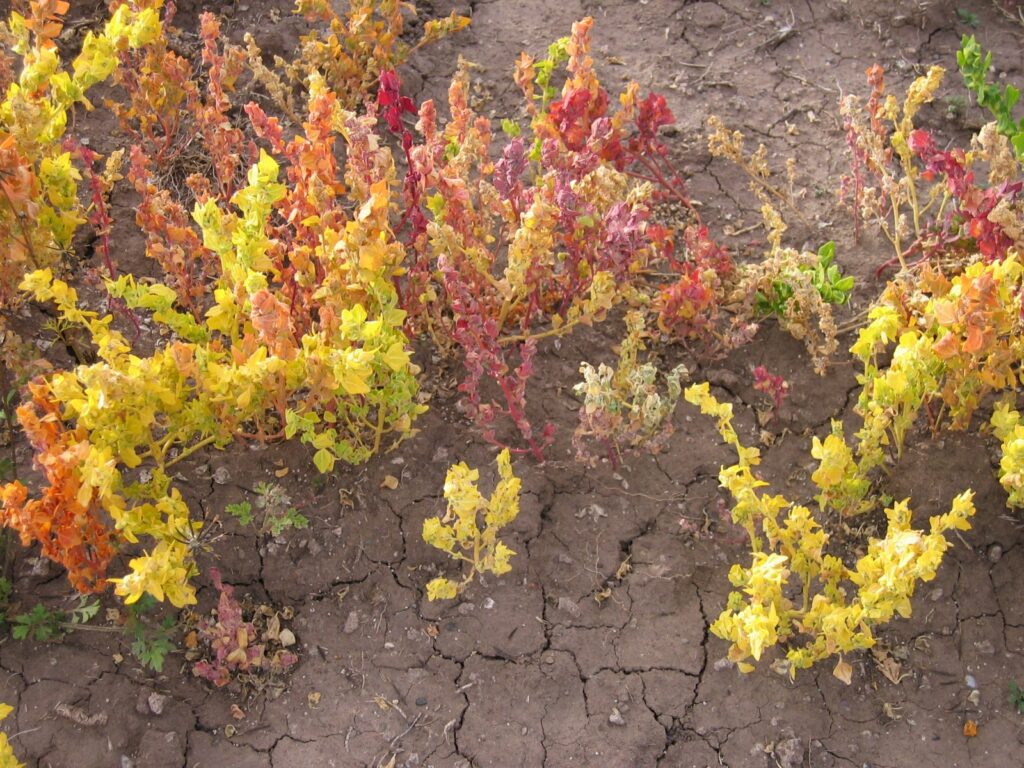
Anthocyanins and carotenoids are not only responsible for the color of these crops — they fulfill a concrete physical function within the plant itself: they act as a kind of filter that helps manage excess solar radiation at altitudes where ultraviolet exposure is much more intense than at sea level. It is this function that explains, for example, the deep purple of certain varieties of Andean corn or potato (due to anthocyanins), or the orange and yellow tones found in other high-altitude crops (due to carotenoids). The more extreme the sun exposure of a growing area, the more pronounced the pigmentation of the plants that grow there tends to be.
Saponins: quinoa’s bitter defense
A very concrete example of this kind of plant defense is saponin, a bitter-tasting compound naturally present in the outer coating of the quinoa grain. Its biological function is to act as a natural repellent against birds and some insects, thus protecting the seed before harvest. It is precisely for this reason that quinoa must be washed carefully before cooking — a step that removes this bitter coating and that has been part of the traditional preparation of this grain in the Andes for centuries.
An active field of research
The relationship between extreme altitude conditions and the concentration of these compounds remains the subject of ongoing research by institutions such as the International Potato Center (CIP) and various Peruvian agricultural institutes, which study how factors such as exact altitude, the solar intensity of each season and soil type influence the final composition of each harvest — a reminder that, even in crops with centuries of history, there is still much to understand about how the Andean environment shapes what finally reaches the table.
A look at the composition of several Andean crops
Each of these crops has its own profile:
- Quinoa (Chenopodium quinoa): one of the few plant-based foods whose composition includes all nine essential amino acids, along with fiber, phosphorus, magnesium and iron.
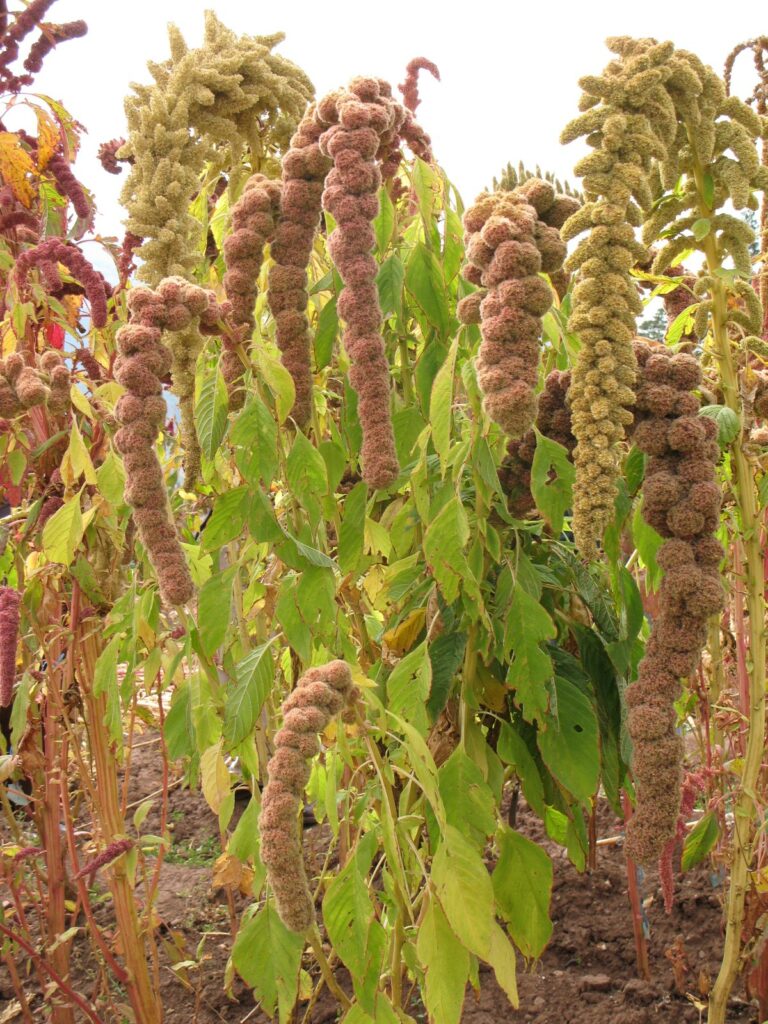
- Kiwicha or amaranth (Amaranthus caudatus): stands out for its lysine content, an amino acid less common in the composition of many cereals.
- Cañihua (Chenopodium pallidicaule): has a particularly high protein concentration for an Andean grain, along with iron in its composition.
- Tarwi (Lupinus mutabilis): which we discussed in an earlier post, provides between 40% and 50% plant protein in the processed (debittered) grain, as well as unsaturated fats in its composition.
Crops designed for the planet, not just the plate
Beyond their nutritional composition, these crops share another notable characteristic: their low environmental impact. They require considerably less water than many conventional crops, naturally tolerate extreme climates without the need for intensive irrigation or chemical fertilizers, and are traditionally grown in rotation systems that help maintain soil fertility over the long term.
At Colibrí Origins, when we talk about “Andean superfoods” we do not do so as a marketing slogan — it is a way of recognizing that the exceptional composition of these crops has a real story behind it: thousands of years of adaptation to one of the most demanding environments on the planet. It is that story, as much as the composition itself, that we continue to explore crop by crop on this blog.
This content is for general information only and is not medical advice. If you have questions about eating a food or using a plant, consult a health professional.