
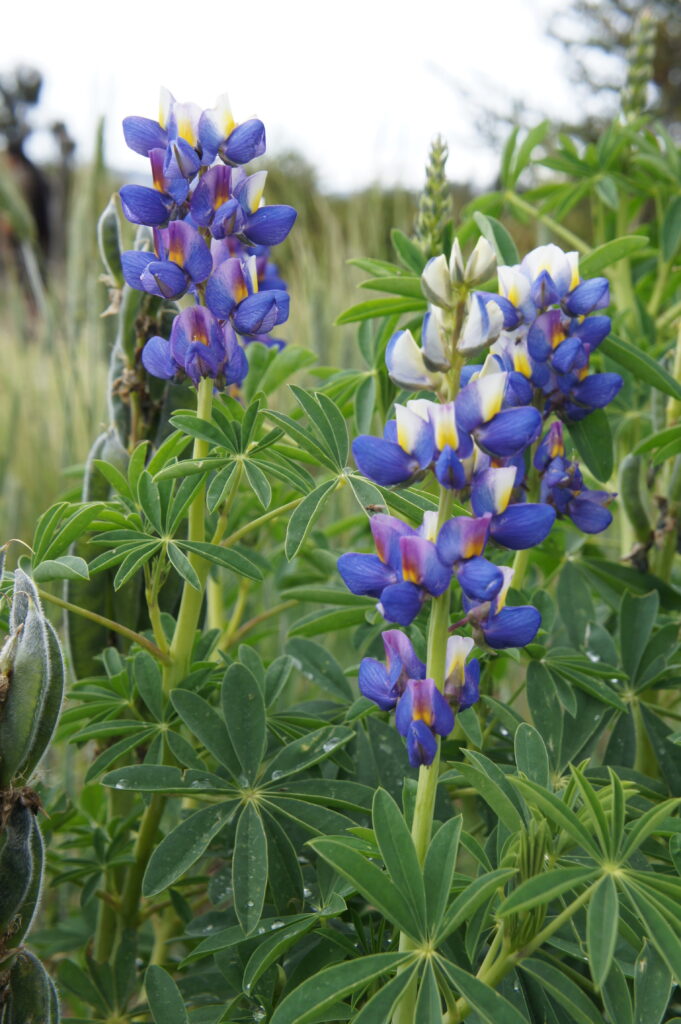
In the cold heights of the Peruvian Andes, between 2,000 and 3,800 meters of altitude, grows a legume with a secret little known outside the region: before it can be eaten, it must spend days soaking in water. This is the tarwi, Andean legume also called chocho, cultivated in the Andes for over a thousand years and hiding one of the most distinctive stories in Peru’s entire catalog of biodiversity.
A Legume That Can’t Be Eaten As-Is
Unlike most legumes, tarwi seeds naturally contain bitter-tasting alkaloids, which makes it impossible to eat them directly after harvest. Before reaching any plate, they must go through a traditional “debittering” process: prolonged soaking in running water for several days, which removes those bitter compounds and leaves the seed ready to cook. It’s a step absent from most legumes in the world, and it forms an essential part of this Andean crop’s identity.
A Name With Its Own History
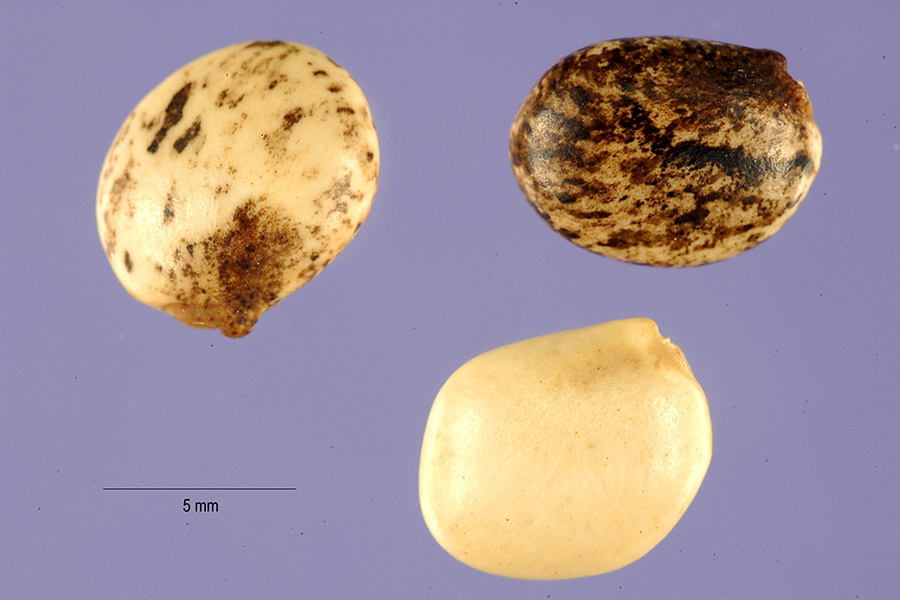
The name “chocho,” by which tarwi is also known across much of Peru, comes from the Quechua word “chuchu,” meaning “mother’s nipple.” The origin of this word has a concrete explanation: once debittered, cooked, and ground, chocho turns into a white liquid resembling milk in appearance, which Andean communities traditionally used to supplement the diet of young children.
Roots That Trace Back to Pre-Hispanic Cultures
Tarwi is one of the oldest domesticated crops in South America: remains of its seeds have been found in tombs of the Nazca culture, which flourished between 100 and 800 AD, long before the Inca Empire. In Peru, it is grown mainly in regions such as Áncash, Cajamarca, Cusco, Huánuco, Junín, and Puno.
A Silent Ally for the Land
Beyond its value as a food, tarwi plays an important role in Andean agriculture: its roots fix atmospheric nitrogen in the soil, naturally improving its fertility — a trait that makes it, in addition to a food crop, an agronomic ally for the land where it’s planted alongside other crops.
A Presence Beyond the Peruvian Andes
Although tarwi is mostly known in Peru, it is also grown on a smaller scale in neighboring countries such as Bolivia and Ecuador, where it goes by similar names and forms part of each Andean region’s own culinary traditions.
A Crop That Grows in Good Company
Tarwi is traditionally grown in polyculture systems, planted alongside corn, potatoes, or other Andean crops rather than on its own. This practice takes advantage of its natural ability to fix nitrogen in the soil, directly benefiting the neighboring crops it shares the plot with — a form of traditional agriculture that combines several crops in a complementary way.
From Byproduct to Research: The Alkaloid That Becomes an Ally
The bitter alkaloids removed from tarwi during the debittering process aren’t always simply discarded: various research groups have explored their use as a natural insecticide in agriculture, taking advantage of the same properties that make the seed bitter to protect other crops from pests. It’s another example of the thorough use that characterizes this Andean crop, where even what’s removed finds a second purpose.
At Colibrí Origins, we continue exploring the biodiversity of the Peruvian Andes and Amazon, and tarwi is a good example of why it’s worth looking beyond the obvious: a legume that demands patience before reaching the table, a name that tells its own story, and a presence in the Andes that goes back more than a thousand years.
This content is for general information only and is not medical advice. If you have questions about eating a food or using a plant, consult a health professional.